Tuesday, January 20 at 7pm
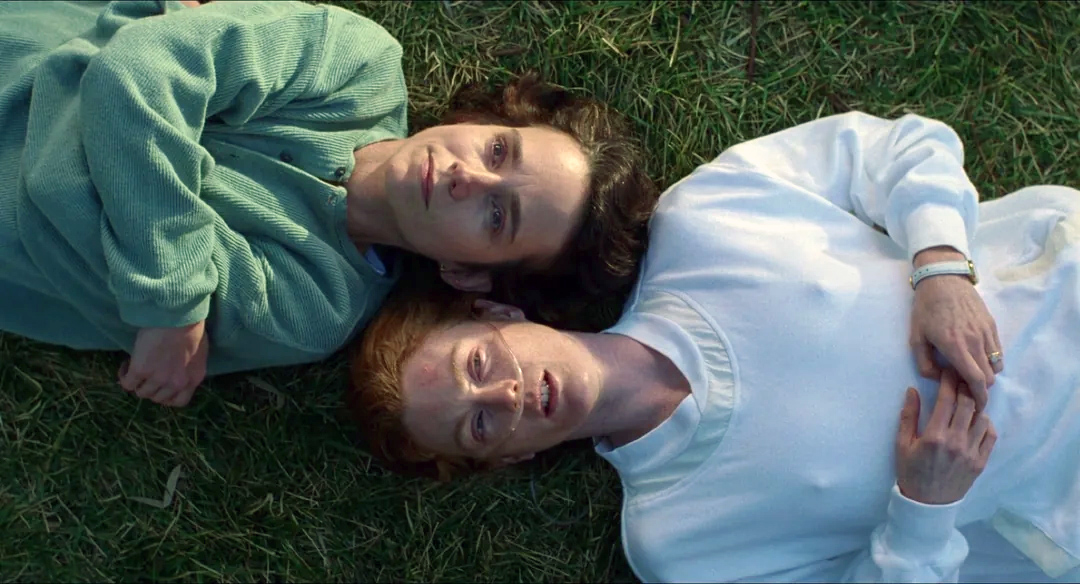
Safe – 30th Anniversary Restoration Screening!
Directed by Todd Haynes (U.S., 1995) 119 min. DCP. With Julianne Moore, Peter Friedman, Xander Berkeley.
Before May December (2023), Carol (2015), Far From Heaven (2002), and many other seminal films, Todd Haynes began his artistic partnership with Julianne Moore when he directed Safe, the unnerving story of a woman’s descent into malady that now reverberates uncannily as a tale of two plagues – one that preceded the film (AIDS) and another that came decades later (COVID). Moore gives an astonishing performance as Carol White, a Los Angeles housewife whose affluent environment turns against her in the form of an inexplicable illness. What begins as sudden allergic reactions to everyday chemicals, fragrances and fumes turns increasingly violent, transforming the laminated safety of Carol’s existence into a terror of everyday life. When she is diagnosed with an immunity disorder called “Twentieth Century Disease,” and sets off to New Mexico in search of treatment, Carol’s journey turns inward. And, in the crisis of identity that results, Safe reveals the ways in which disease infests our basic sense of who we are. Introduced by Film/Media Studies Professor Josie Torres Barth.
“Seductive… Scarily confident, beautifully acted. It will seize any viewer who dares to surrender to its spell. Feel free to laugh or scream.” -Richard Corliss, Time Magazine
Tuesday, January 27 at 7pm
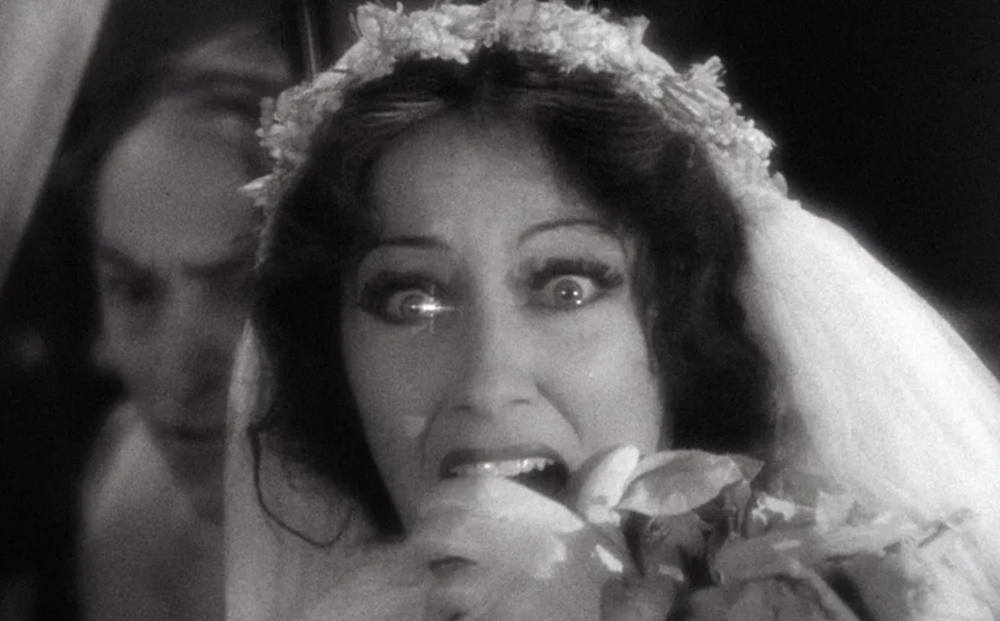
Queen Kelly – New Digital Reconstruction and Restoration!
Directed by Erich von Stroheim (U.S., 1929) 101 min. DCP. With Gloria Swanson, Walter Byron, Seena Owen, Tully Marshall.
It should have been a dream collaboration: a glamorous world-famous movie star (Swanson) and her financier lover (Joseph P. Kennedy) hire the most celebrated director of the time (Erich von Stroheim) to make a groundbreaking independent film. Instead, Queen Kelly was canceled mid-production. The movie was shot in sequence and after filming just a few of the scandalous African sequences, Gloria Swanson, the film’s star and producer, shut it down. This unfinished film — like Erich von Stroheim’s desecrated Greed —became Hollywood legend. Basing his reconstruction on von Stroheim’s original scripts, Dennis Doros, of Milestone Films, has employed multiple techniques to recreate the film’s dénouement.
This “decadent late-silent masterpiece, Erich von Stroheim’s epic unfinished swan song pulls no punches. His characters contend with whippings, suicide, a German East African bordello and more in this story of a prince, the orphan girl he falls in love with, and the mad queen whose jealousy wreaks havoc on everyone involved. The great silent film star Gloria Swanson plays Patricia Kelly, the convent orphan whose life is turned upside down when Prince “Wild” Wolfram (Walter Byron) becomes obsessed with her, angering his betrothed queen” (Film at Lincoln Center).
“This new restoration may just be everything that Swanson dreamed of for her lovechild Queen Kelly” – The Guardian
Tuesday, February 3 at 7pm
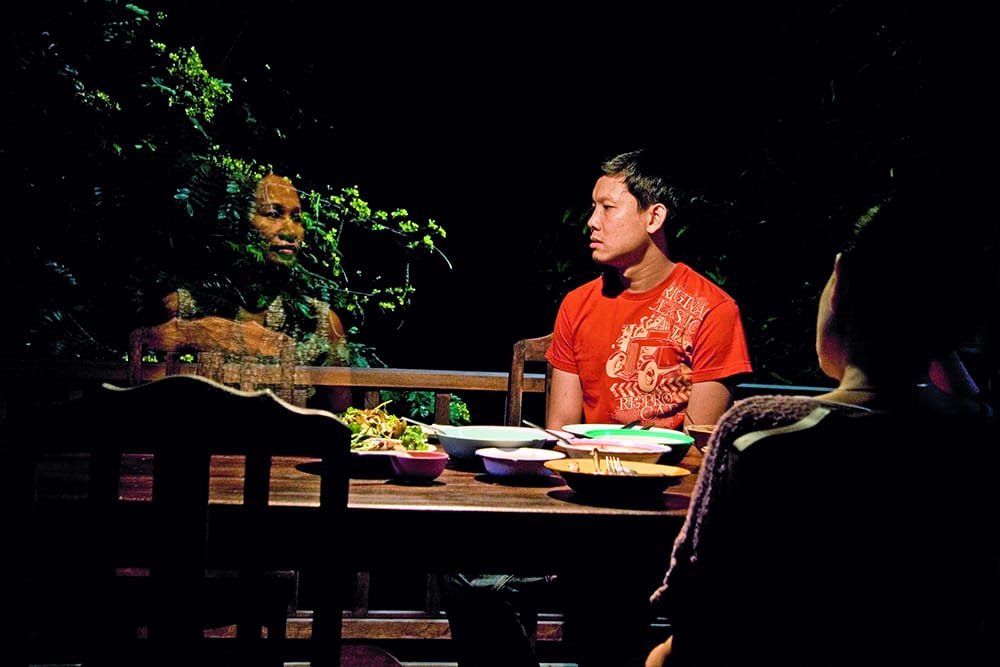
Uncle Boonmee Who Can Recall His Past Lives
Directed by Apichatpong Weerasethakul (Thailand, UK, France, Spain, Germany, Netherlands, 2010) 114 min. 35MM. With Thanapat Saisaymar, Jenjira Pongpas, Sakda Kaewbuadee. In French, Thai and Lao with English subtitles.
Winner of the Palme d’Or at the 2010 Cannes Film Festival, acclaimed artist Apichatpong Weerasethakul’s magical examination of life and death defies easy categorization. An appreciative overview of the director’s career in the New Yorker sets the premise, and the movie’s surreal underbelly: “The titular hero is a widower who is preparing for death in the wooded mountain valley where he lives. The oppressive natural world is all around, with its insect sounds and its thick nights. Boonmee is not alone. There to help him get his affairs in order are his sister-in-law, his nephew, and his primary caregiver. The group is joined by Boonmee’s beloved late wife, who simply appears, as does their long-lost son, who materializes as a man-size monkey with glowing red eyes. The film can be seen as a kind of ghost story, in which the dead return to share a meal with their living relatives and a beast with a heartbreaking light in its eyes lurks in the tall grass at night. At the same time, the dead are eating and the beast is lurking in a real place, with a sociopolitical background that is as important to Weerasethakul as the fantastical products of his imagination.” Presented in collaboration with the Weis Center, in concert with its year-long Trees Series.
“Like that other poet-filmmaker before him Jean Cocteau, Weerasethakul, who goes by the nickname Joe, produces a cinema in which dreams and politics converge. But, where Cocteau’s work is driven by Western ideas about structure, sound, and acting, Weerasethakul’s draws on Buddhist tradition and Thai folklore to create stories that—like life—often change direction, stop abruptly, or become something else altogether.” – Hilton Als, The New Yorker
Tuesday, February 10 at 7pm
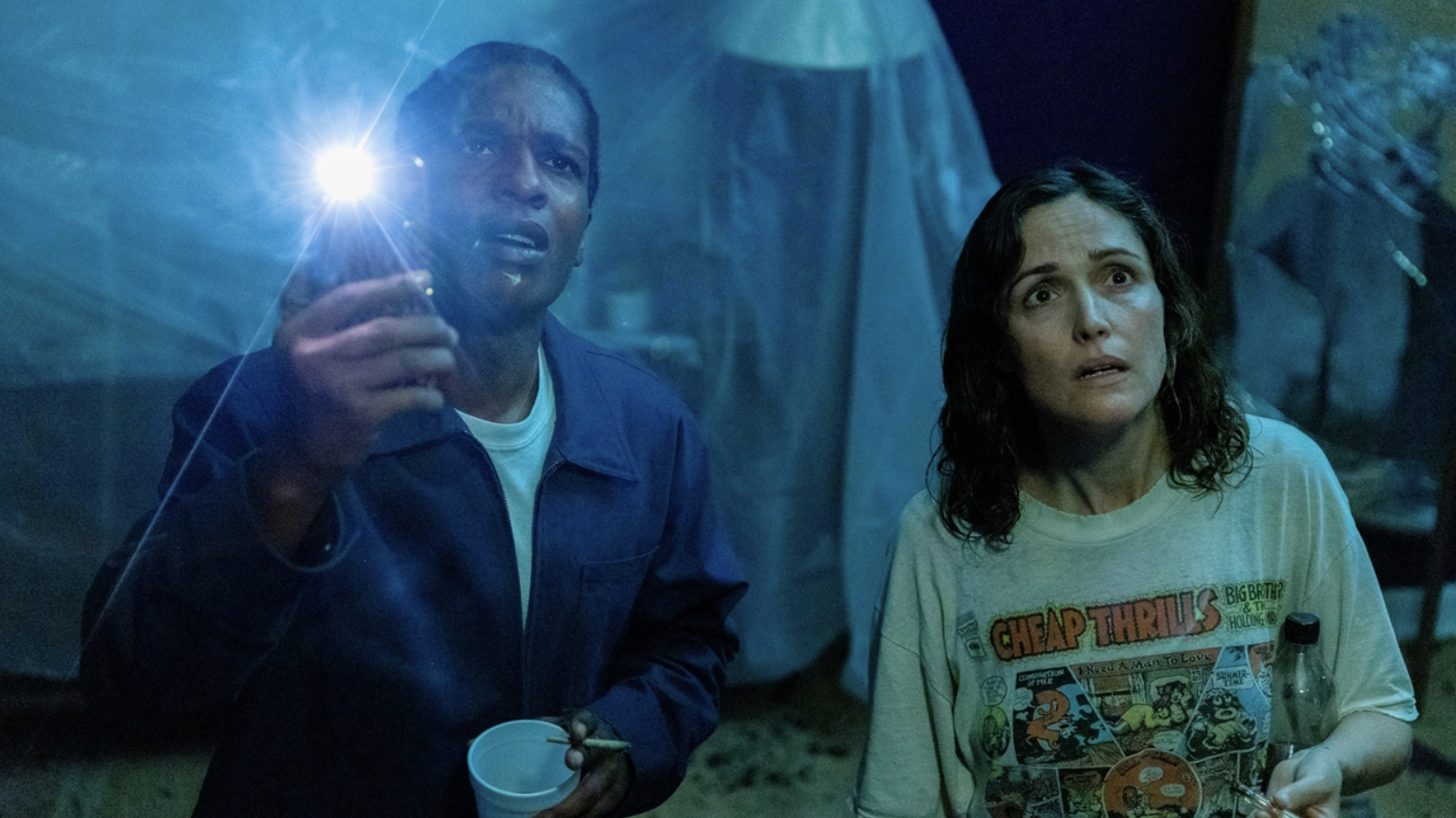
If I Had Legs I’d Kick You – Exclusive Theatrical Screening!
Directed by Mary Bronstein (U.S. 2025) 114 min. DCP. With Rose Byrne, Conan O’Brien, A$AP Rocky, Danielle Macdonald
This A24 release is a stunner, cinematically and psychologically claustrophobic and viscerally immersive thanks to its score-less, experiential sound design. Ten minutes in, and you will know why Rose Byrne was honored as Best Female Actor at the 83rd Golden Globe Awards for what many are calling the performance of a lifetime. Byrne plays a woman whose life is literally and figuratively crashing down around her, as she attempts to navigate her child’s mysterious illness, her absent husband, a missing person and an increasingly hostile relationship with her therapist. A “virtuosic maternal freakout” (The New Yorker) like none other, If I Had Legs is a dark comedy, a non-stop panic attack whose absurdity and raw emotional honesty promise to hit hard when viewed on the big screen, surrounded by other filmgoers who are embarking on the intense journey with you.
“Wrenching and at times suffocating, If I Had Legs I’d Kick You is a howl of maternal desperation spiked with jagged humor… Bronstein’s script turns a mother’s anxiety into an almost supernatural force.” – The New York Times
Tuesday, February 17 at 7pm
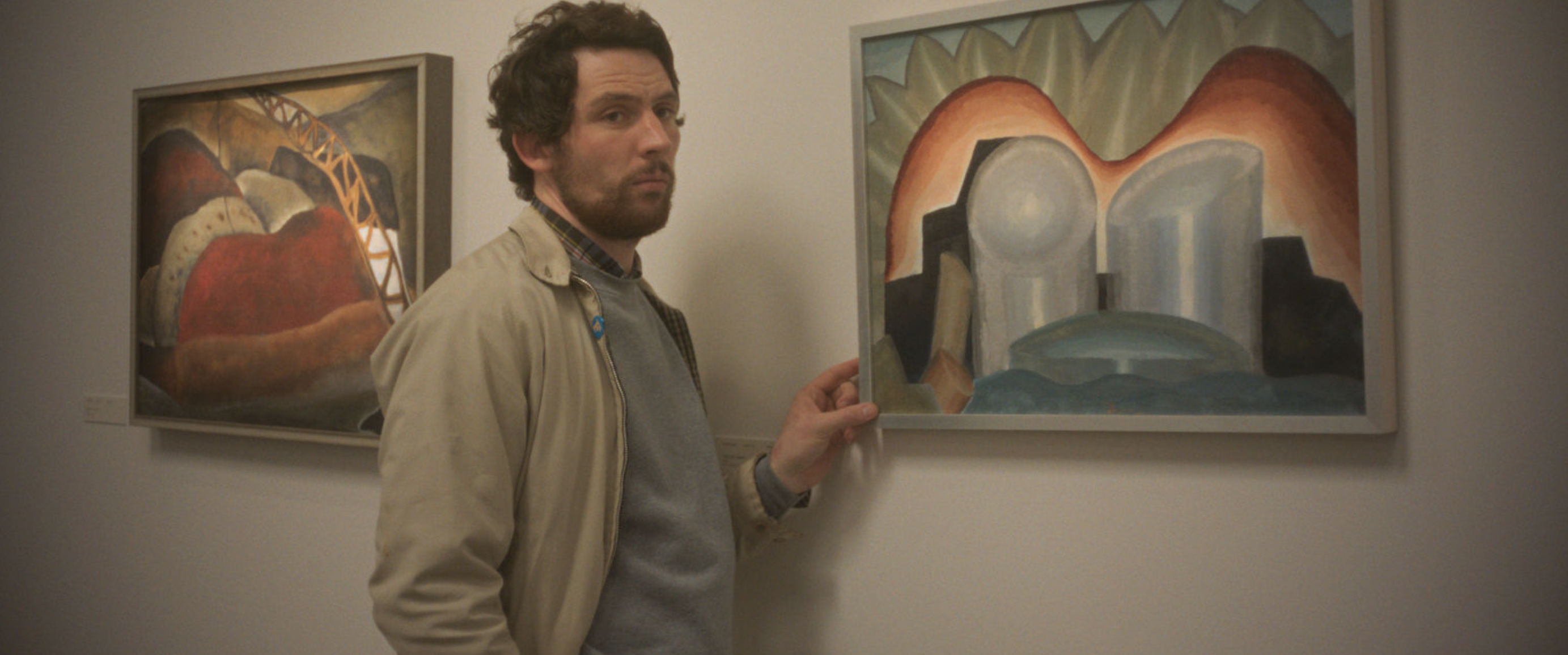
The Mastermind – Exclusive Area Premiere!
Directed by Kelly Reichardt (U.S. 2025) 111 min. DCP. With Josh O’ Connor, Alana Haim, Hope Davis, Gaby Hoffman.
Understated auteur Kelly Reichardt’s return to more suspenseful genre fare since Night Moves (2013) is The Mastermind, an art heist-turned-character portrait of a Massachusetts father inching closer to the fringes. A frequent visitor to the sleepy Framingham Museum of Art with his wife and kids, out-of-work architect JB Mooney (O’Connor), enlists a shaggy group of local crooks to swipe a few Arthur Dove paintings from the galleries in broad daylight. As the investigation into the robbery begins, Mooney starts to unravel. Set in 1970, Reichardt skillfully uses an America upended by the Vietnam War and transformed by the Civil Rights Movement as a backdrop for the frenzied and desperate Mooney to stay out of the hands of the authorities. Underpinned by stellar performances from the ensemble, The Mastermind is an exemplary Reichardt film with a richly intimate and flawed world, populated by even more textured characters (UCLA Hammer Museum notes).
“Reichardt’s movies are intimate, discreet and don’t ostentatiously deviate from narrative film conventions. She doesn’t broadcast her ideas visually or with speeches but instead lets them percolate, so they trickle into the stories. The Mastermind is about a guy going through some things, most conspicuously a crime that soon upends what seems like an ordinary, even humdrum life.” – The New York Times
Tuesday, February 24 at 7pm
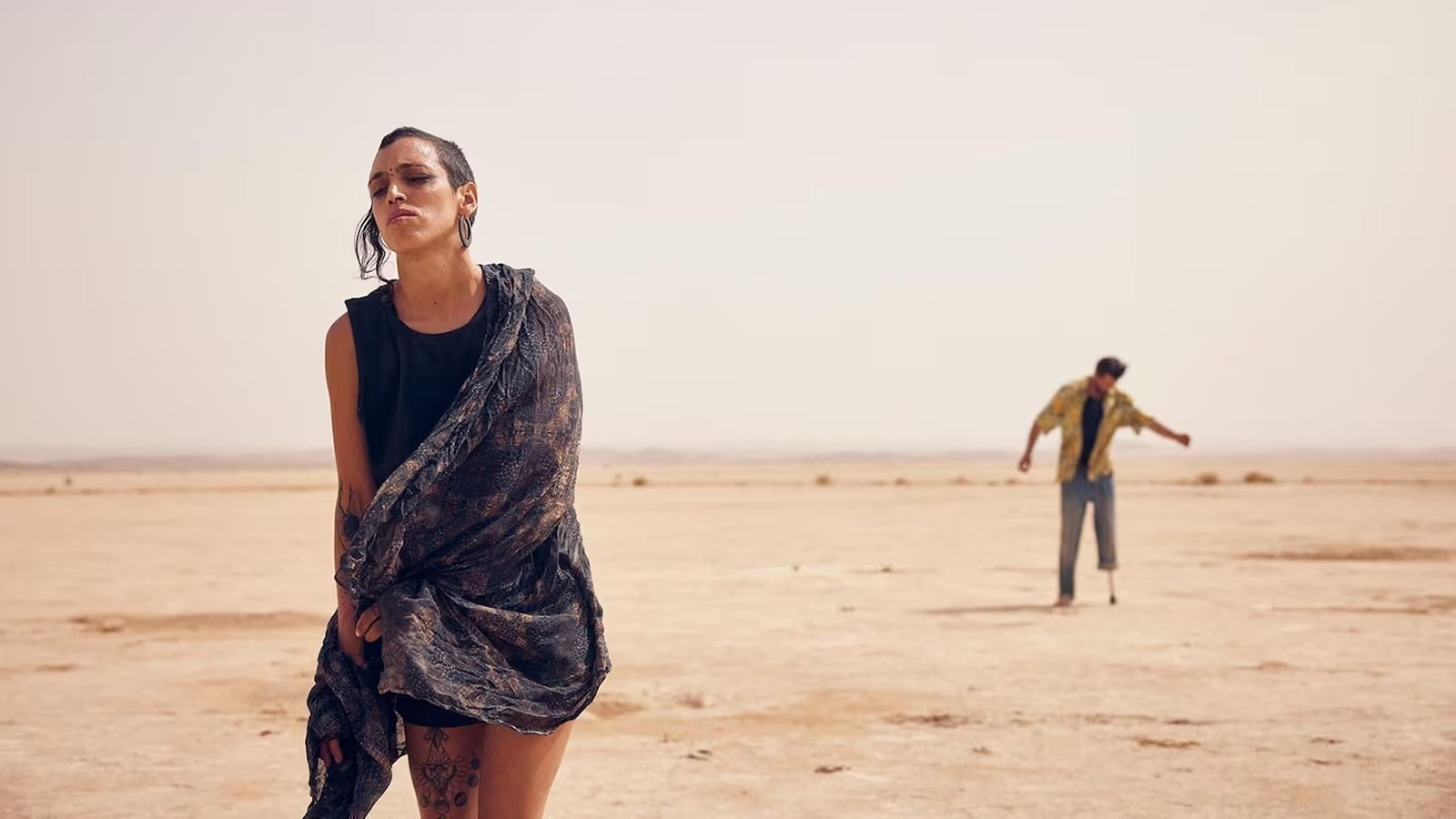
Sirāt– Exclusive Area Premiere!
Directed by Oliver Laxe (France / Spain 2025) 115 min. DCP. With Sergi López, Bruno Núñez Arjona, Stefania Gadda, Joshua Liam Henderson, Tonin Janvier, Jade Oukid, Richard Bellamy. In Spanish and French with English subtitles.
The glorious and forbidding Moroccan desert provides the backdrop for this extraordinary psychological journey from Oliver Laxe, a Galician filmmaker of startling ambition. Sergi López plays middle-aged Luis, whose worry over the disappearance of his daughter Mar has brought him, along with his young son, to Morocco. He believes she has fallen in with a group of nomadic thrill-seekers who are in pursuit of the next big rave in the desert. Tagging along with them in a makeshift caravan in the hopes he will find Mar, Luis is pushed toward emotional and physical extremes that extend far past his everyday comprehension. Even beyond the pulsing techno soundtrack and the majestic desolation of the landscape, Sirāt (the title referring to the Islamic term for the razor-thin bridge between heaven and hell) creates a sensory experience of audacity and shock that touches the sublime. Joint winner of the Jury Prize at this year’s Cannes Film Festival (Film at Lincoln Center notes notes). 2026 Academy Award nominations: Best Sound, Best International Feature Film.
“Psychoanalysis, Sufism, Andrei Tarkovsky, the Rolling Stones: These are some of the influences that informed the creation of Sirat, perhaps the year’s least describable and most terrifying film.” – The New York Times
Tuesday, March 3 at 7pm
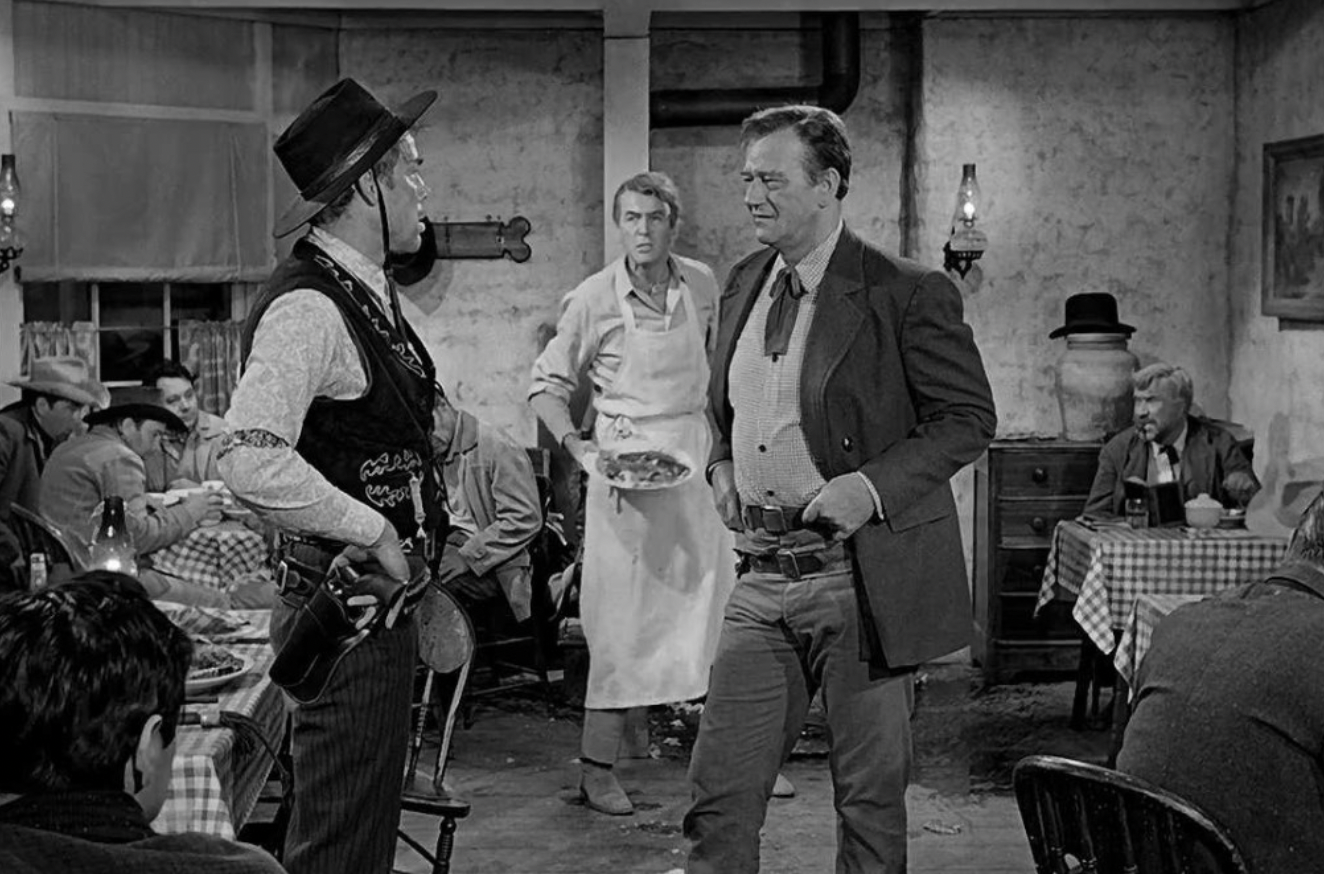
The Man Who Shot Liberty Valance
Directed by John Ford (U.S. 1962) 123 min. DCP. With James Stewart, John Wayne, Lee Marvin, Vera Miles.
A towering figure of American cinema, John Ford’s contributions to the Golden Age of Hollywood were many, and while his late works share a notably ruminative, philosophical quality, they are also vibrant and exciting, full of visual experimentation, evocative Fordian imagery rich in painterly and historical references, and jolts of bright humor. Ford’s last great western is an elegiac reassessment of the legendary vision of the West that he himself helped create with films like Stagecoach and My Darling Clementine, with the iconic figure of John Wayne embodying its fading ideals of independence, personal honor and a deeply individualized moral code. Using a spare, minimalist visual style, Ford’s tale of civilization – represented by James Stewart’s Eastern lawyer – paving over the freedom of the Old West takes on the tone of a parable about the high cost of progress. A summation and perfect distillation of dominant themes and ideas explored throughout Ford’s oeuvre, Liberty Valance remains among his most indispensable and engaging films (Harvard Film Archive notes notes). Programmed in conjunction with Adam Burgos’ Social/Political Philosophy course, and introduced by Will Schmenner, Head of Public Programs, Clark Art Institute, Williams College.
Tuesday, March 17 at 7pm
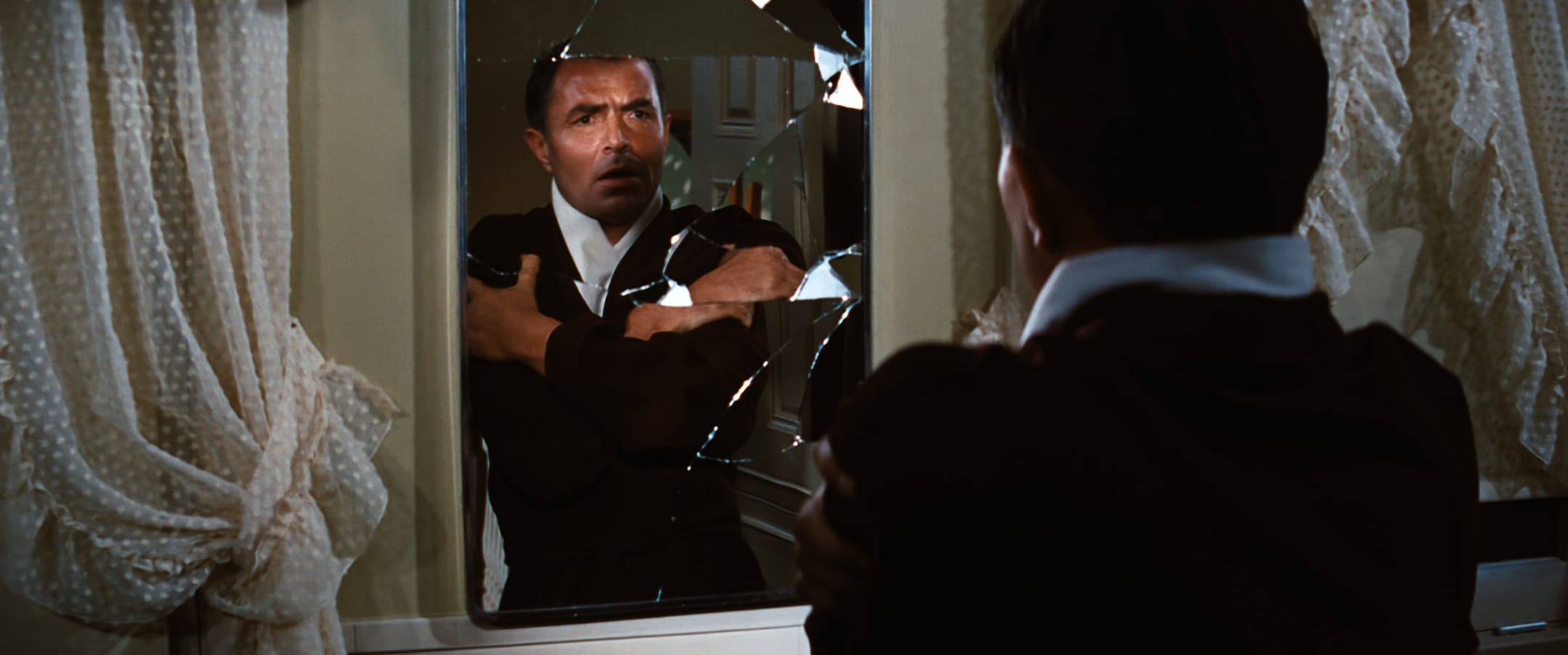
Bigger Than Life
Directed by Nicholas Ray (U.S. 1956) 95 min. 35MM. With James Mason, Barbara Rush, Walter Mathau.
Though ignored at the time of its release, Nicholas Ray’s Bigger Than Life is now recognized as one of the great American films of the 1950s. When a friendly, successful suburban teacher and father (Mason, in one of his most indelible roles) is prescribed cortisone for a painful, possibly fatal affliction, he grows dangerously addicted to the experimental drug, resulting in his transformation into a psychotic and ultimately violent household despot. This Eisenhower-era throat-grabber, shot in expressive CinemaScope, is an excoriating take on the nuclear family. That it came in the day of Father Knows Best makes it all the more shocking—and wildly entertaining.
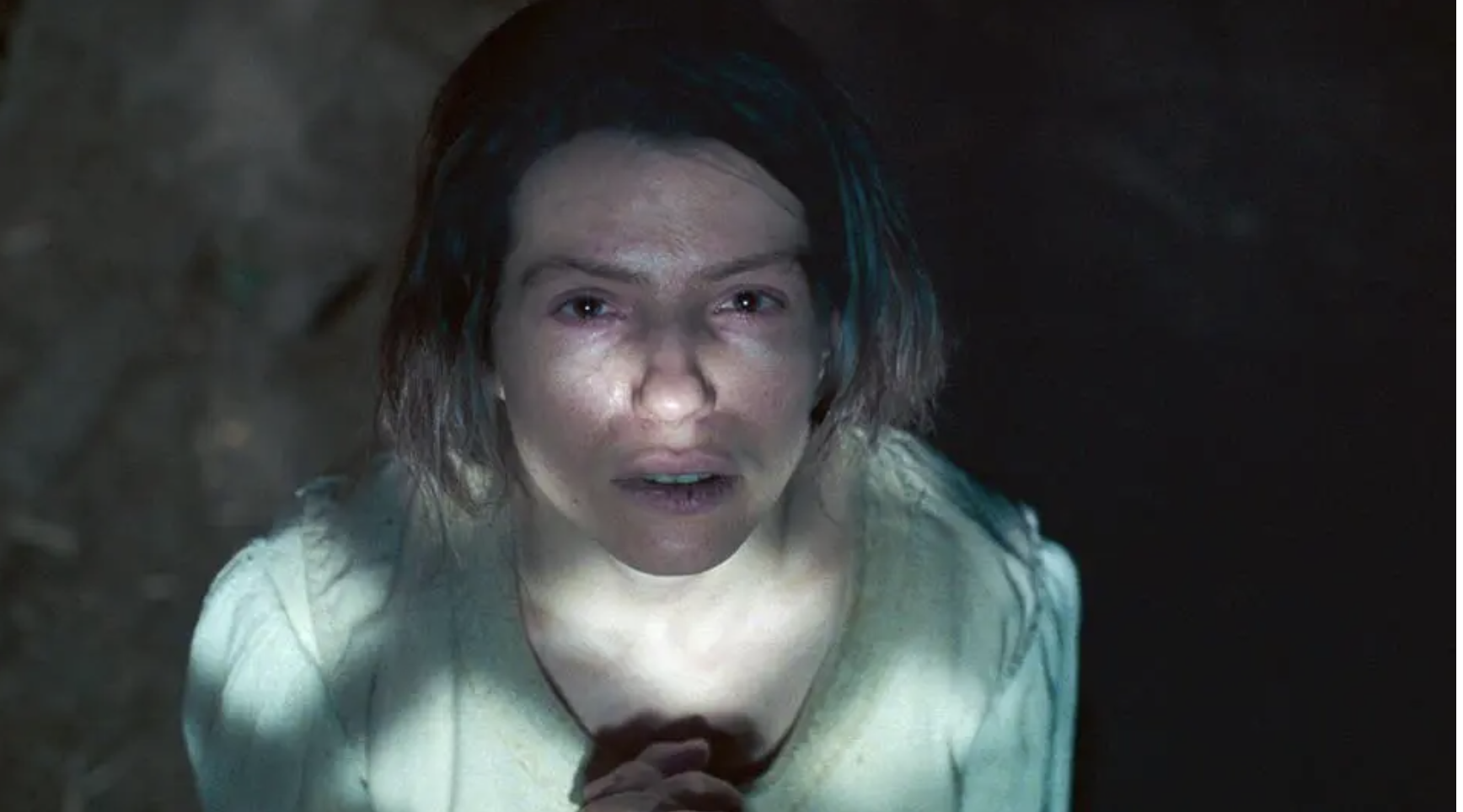
Tuesday, March 24 at 7pm
The Devil’s Bath – Historian in Person!
Directed by Severin Fiala and Veronika Franz (Austria, Germany 2024) 121 min. DCP. With Anja Plaschg, Maria Hofstatter, David Scheid, Tim Valerian Alberti, Natalija Baranova. German with English subtitles.
An unnerving psychological thriller that swept Austria’s Oscars, winning Best Picture, Actress, Supporting Actress, Cinematography, Editing and Score, The Devil’s Bath is the latest from the directors of Goodnight Mommy and The Lodge. In a rural village in 1750, Agnes, a deeply religious woman, has just married her beloved, but her mind and heart soon grow heavy as her life becomes a long list of chores and expectations. Day after day, she is increasingly trapped in a murky and lonely path leading to evil thoughts, until the possibility of committing a shocking act of violence seems like the only way out of her inner prison. Co-presented with Comparative and Digital Humanities. Post-film discussion with historian Kathy Stuart (UC Davis), historical consultant for the film and author of Suicide by Proxy in Early Modern Germany: Crime, Sin and Salvation (2023), on which the film is based.
Tuesday, March 31 at 7pm
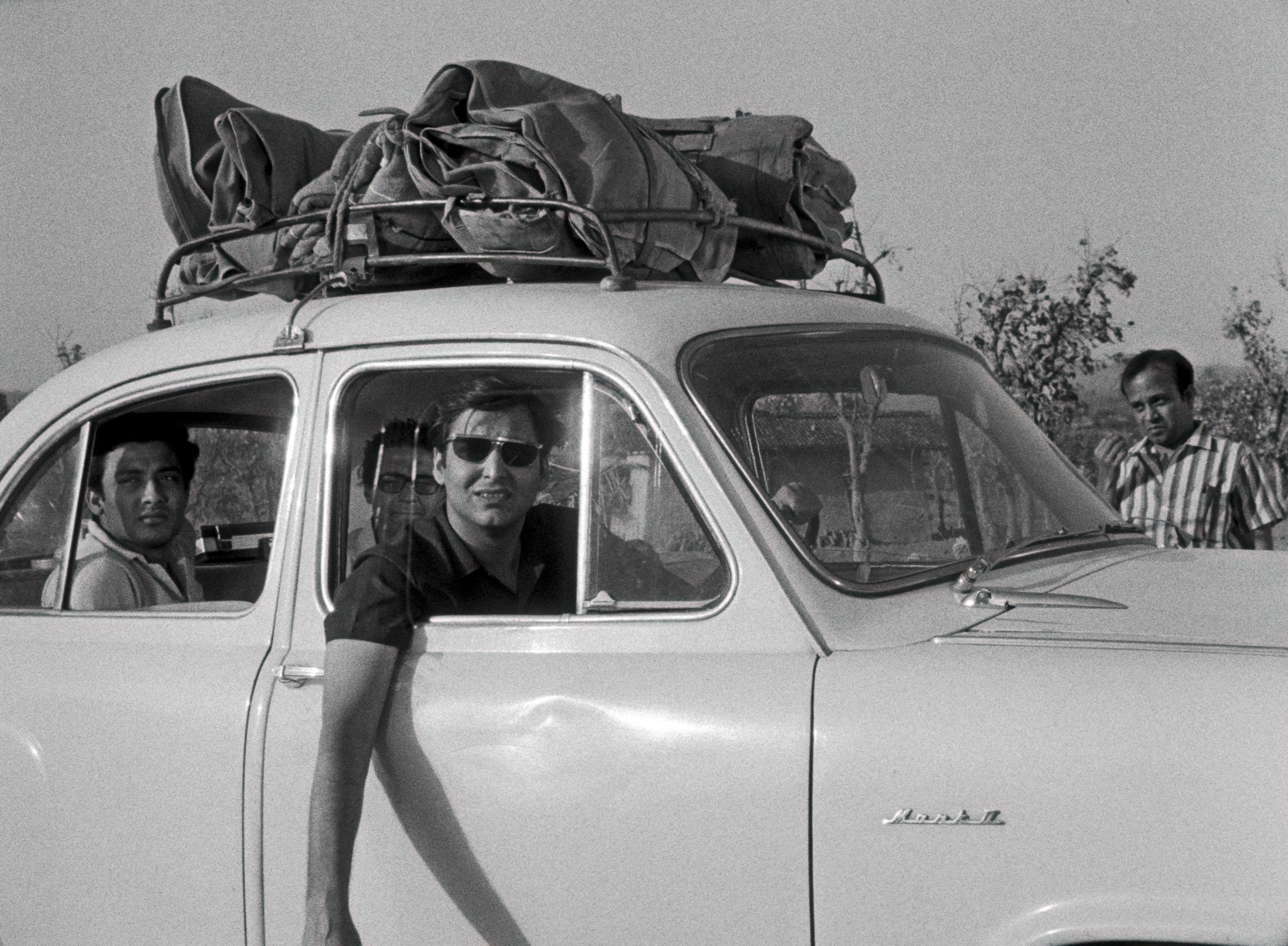
Days and Nights in the Forest – New Restoration!
Directed by Satyajit Ray (India 1970) 116 min. DCP. With Soumitra Chatterjee, Subhendu Chatterjee, Samit Bhanja, Rabi Ghosh. Bengali with English subtitles.
Adapted from Sunil Gangopadhyay’s celebrated 1968 novel, Days and Nights in the Forest is one of director Satyajit Ray’s greatest achievements, a modern search for connection that conjures the timeless resonance of a folktale. Desperate to flee Calcutta’s rat race, four friends—Ashim (Soumitra Chatterjee), Sanjoy (Subhendu Chatterjee), Hari (Samit Bhanja), and Shekhar (Rabi Ghosh)—drive to Palamu, one of India’s rural “tribal lands,” where they bribe a watchman into letting them stay at a sylvan guesthouse. Despite vowing to get away from it all, the crew soon mixes with the locals, including a woodland family: the soulful yet mischievous Aparna (Sharmila Tagore) takes to the overconfident Ashim, while her widowed sister-in-law Jaya (Kaberi Bose) grows closer to the bookish Sanjoy. At the same time, Hari, fresh off a break-up, woos a Santal girl named Duli (Simi Garewal); and Shekhar, despite his own penchant for gambling, tries to rein in his companions’ boozy hedonism. Filled with some of Ray’s most indelible characterizations and lavish images (shot by longtime cinematographer Soumendu Roy), Days and Nights in the Forest touches on masculine vulnerabilities and Indian class divisions with the graceful complexity of a master at his peak. Restored in 4K in 2025 by The Film Foundation’s World Cinema Project and Film Heritage Foundation in collaboration with Janus Films – The Criterion Collection at L’Immagine Ritrovata laboratory, from the original camera and sound negatives provided by Purnima Dutta and the magnetic track preserved by BFI National Archive. Funding provided by the Golden Globe Foundation. Special thanks to Wes Anderson and Sandip Ray.
“From the master, another masterpiece.” – Wes Anderson
“One of my favorite movies of all time.” – Mira Nair
“A blend of the fully accessible and the inexplicable, the redolent, and the mysterious.” – Pauline Kael, The New Yorker
Tuesday, April 7 at 7pm
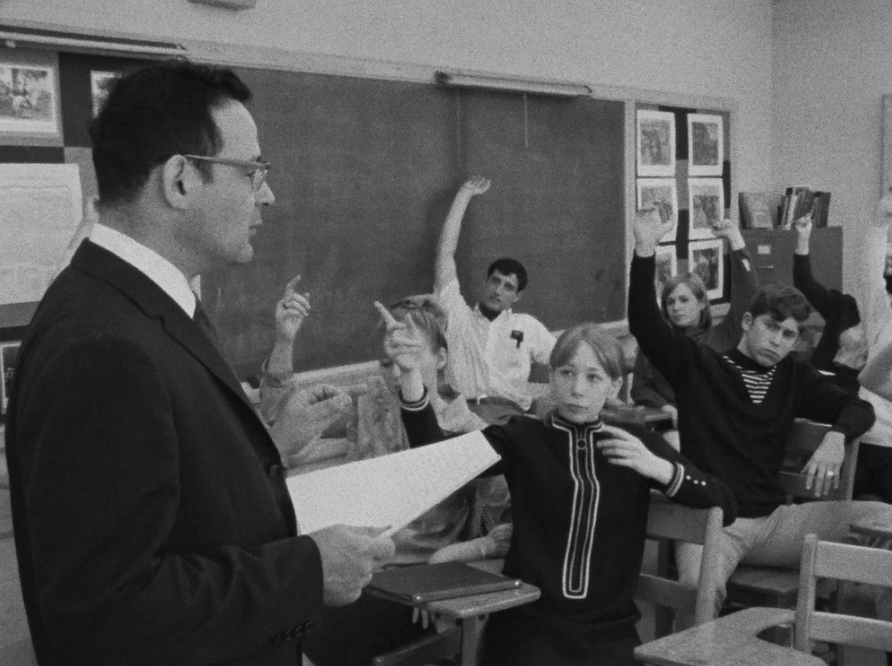
High School – Recent Restoration!
Directed by Fred Wiseman (U.S. 1968) 75 min. DCP.
Long considered “an American Institution” (Lincoln Center) for his decades long and vast oeuvre of documentaries chronicling the ins and outs of hospitals, museums, libraries, high schools, scientific research centers, military and police forces, boxing gyms, urban neighborhoods, and much more, Fred Wiseman died last month. In his 96 year long life, between 1967 and 2023, Wiseman made almost 50 films, a body of work whose “rigorously objective explorations of social and cultural institutions constitute one of the more revered bodies of work in American documentary filmmaking” (New York Times). His “panoramic views of social microcosms offer both vital records of American lives and ideologies and artful expositions of the human condition,” and they do so via Wiseman’s singularly pioneering “technique of what he half-jokingly call[ed] ‘reality fiction’—acknowledging his subjective, yet remarkably evenhanded, act of interpreting reality. Exceptional even among his like-minded contemporaries, Wiseman keeps dramatic manipulations, filmmaker intervention and judgment to an absolute minimum and includes no narration, music, explanatory intertitles or interviews.” After recording sound and image, Wiseman then spent “a long, intensive and monastic period editing the footage—abandoning standard narrative structure in favor of a more intuitive, dynamic placement around the accurate portrayal of his central protagonist: the place” (Harvard Film Archive). High School, one of his earliest, most succinct, caring and influential landmarks, filmed at a large urban high school in Philadelphia, “documents how the school system not only exists to pass on ‘facts’ but also transmits social values from one generation to another. High School presents a series of formal and informal encounters between teachers, students, parents, and administrators through which the ideology and values of the school emerge” (Film at Lincoln Center). One of the 33 features that received 4K restorations over the course of five years. These were made in collaboration between Wiseman’s company Zipporah Films and the Library of Congress, the Harvard Film Archive, the late DuArt Film Lab, and Goldcrest Post.
“Seeing High School for the first time was one of those formative movie-watching experiences that I’ll never shake. For me, the purity of Wiseman’s approach was cinema at its highest—the true fulfillment of Lumiere’s promise. Of course, the genius of Wiseman’s films has a lot to do with how constructed they are. They simulate raw life, but, like life, they’re as packed with detail and as dense with narrative as any novel. High School is a portrait of a particular high school in a particular American town, but it’s also about Vietnam, about the process by which a society slowly turns its youth into cogs for the machine, into cannon fodder. At the same time, the film can’t be reduced to a thesis. Its details are just too stubbornly vivid—the faces of the kids, a stray instance of kindness from a teacher, the echoes in the hallways. At the end, what you have are the images, the sounds, the moments—cinema. Wiseman’s films find the macro in the micro, such that the face of an elderly man in Hospital or a formation of bodies in Basic Training wind up speaking to an entire country, a moment in time, a way of life. Put together… Wiseman’s films constitute a kind of Human Comedy for cinema, and for me the greatest portrait of society (American for the most part, with a few forays to Europe) that the movies have ever produced.” – Damien Chazelle (Director of Whiplash and La La Land).
Tuesday, April 14 at 7pm
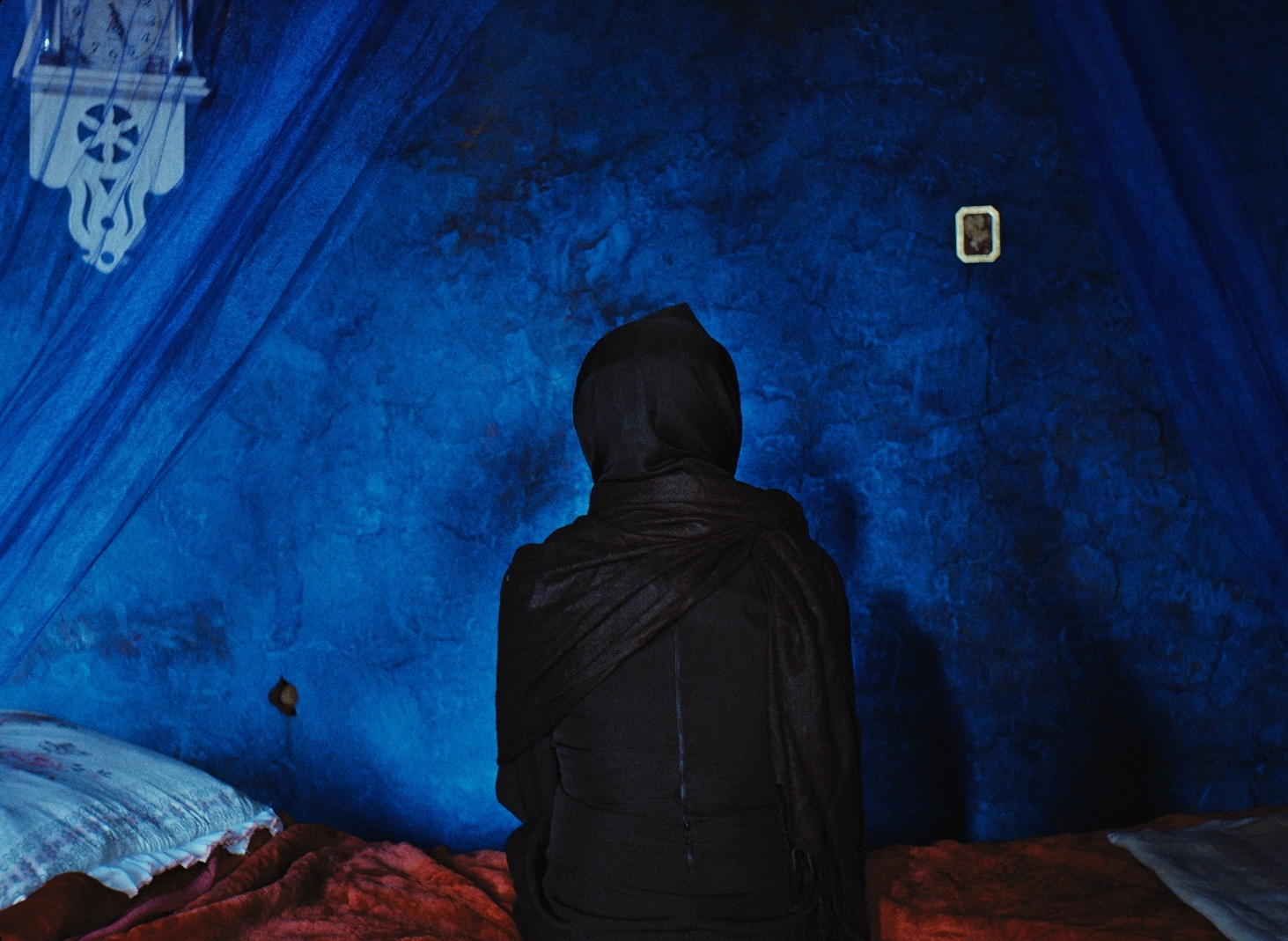
This is Not a Burial, It’s a Resurrection
Directed by Lemohang Jeremiah Mosese (Lesotho, South Africa, Italy 2019) 117 min. DCP. With Mary Twala Mhlongo, Jerry Mofokeng Wa Makhetha. Southern Sotho with English subtitles.
Berlin-based Mosotho filmmaker Lemohang Jeremiah Mosese’s devastating and hypnotic This Is Not a Burial, It’s a Resurrection marks the introduction of a major filmmaker and the final powerhouse performance of a remarkable actress. The late Mary Twala Mhlongo, recognizable from Beyoncé’s blockbuster musical Black Is King, gives a heartbreaking career-capping performance as Mantoa, an 80-year-old woman who has lived in a small Lesotho village her entire life. While preparing for her own death, she receives word of an accident that has killed her only son, leaving her entirely alone, with only the respect of her community, the traditions of her ancestors, and the courage of her convictions. When her community must relocate to make way for a nearby dam which would flood her family’s burial ground, Mantoa draws a line in the sand and becomes an unlikely political and spiritual leader. Cryptic, impressionistic, and informed by magical realist literature, This Is Not a Burial, It’s a Resurrection contains some of the most striking visual compositions in contemporary cinema. Winner of the Special Jury Prize for Visionary Filmmaking at the 2020 Sundance Film Festival. Introduced by Religious Studies professor John Penniman, in connection with his class “Christianity: Between Empire & Liberation.”
Tuesday, April 21 at 7pm
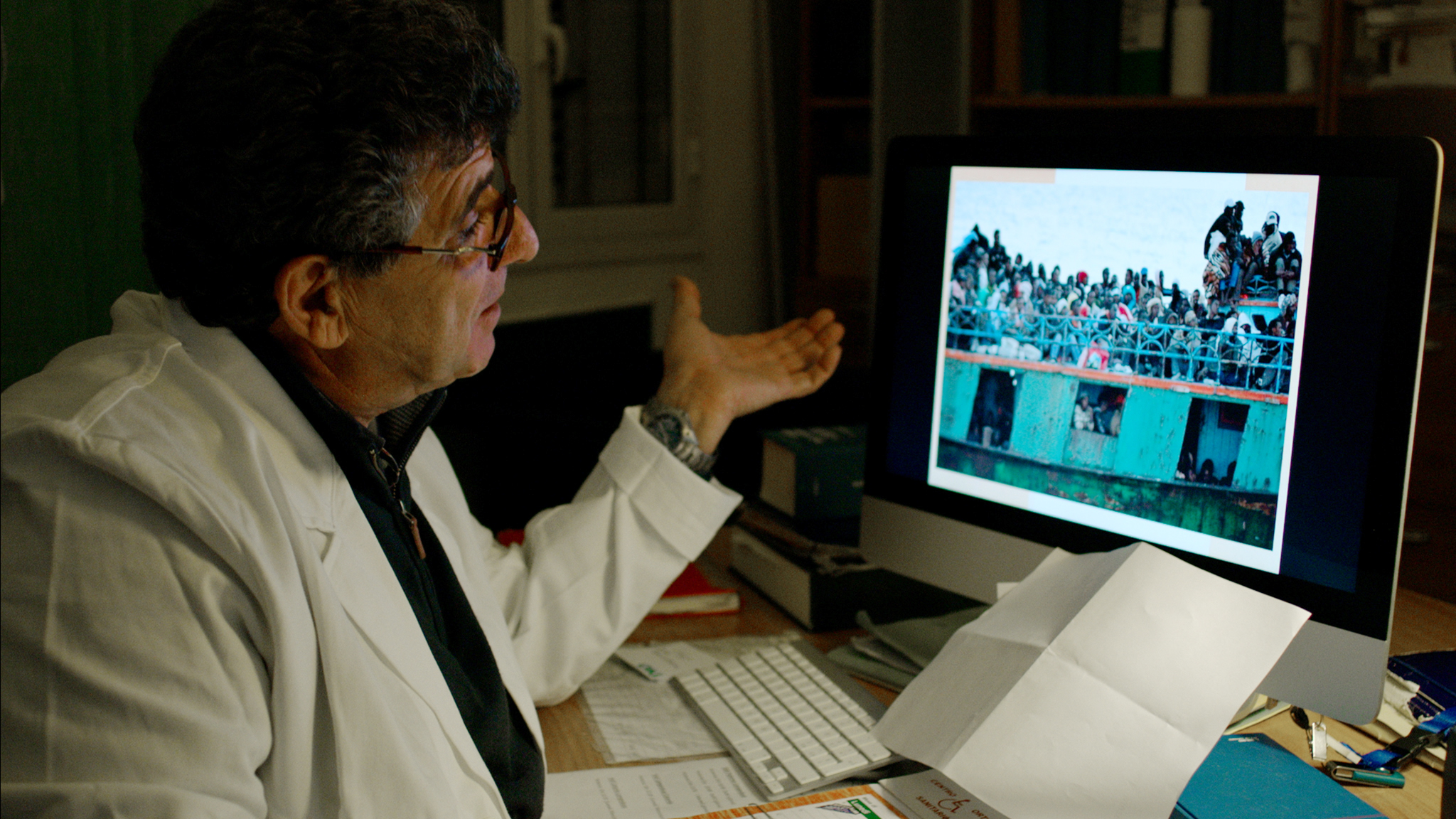
Fire at Sea
Directed by Gianfranco Rosi (Italy 2016) 108 min. DCP. With Samuele Pucillo, Mattias Cucina, Pietro Bartolo. Italian with English subtitles.
An Academy Award nominee for Best Documentary Feature and the first nonfiction film to ever win the top prize at the Berlin International Film Festival, Fire at Sea takes place in Lampedusa, a remote Mediterranean island that has become a major entry point for refugees into Europe. There, we meet Samuele, a 12-year-old boy who lives simply, climbing rocks by the shore and playing with his slingshot. Nearby, we bear witness as thousands of men, women, and children risk their lives to make the brutal crossing from Africa. Award-winning filmmaker Gianfranco Rosi masterfully juxtaposes these realities, jolting the audience into a new understanding of what is happening in the region, the heavy toll of the migrant crisis, and the price of freedom. Introduced by Italian Studies professor Deion Dresser, in connection with his class “Italy and the Mediterranean: Myths, Migrations, and Maritime Ecology.”
Critics’ Pick! “Impressionistic and intensely absorbing.” — A. O. Scott, The New York Times
Tuesday, April 28 at 7pm
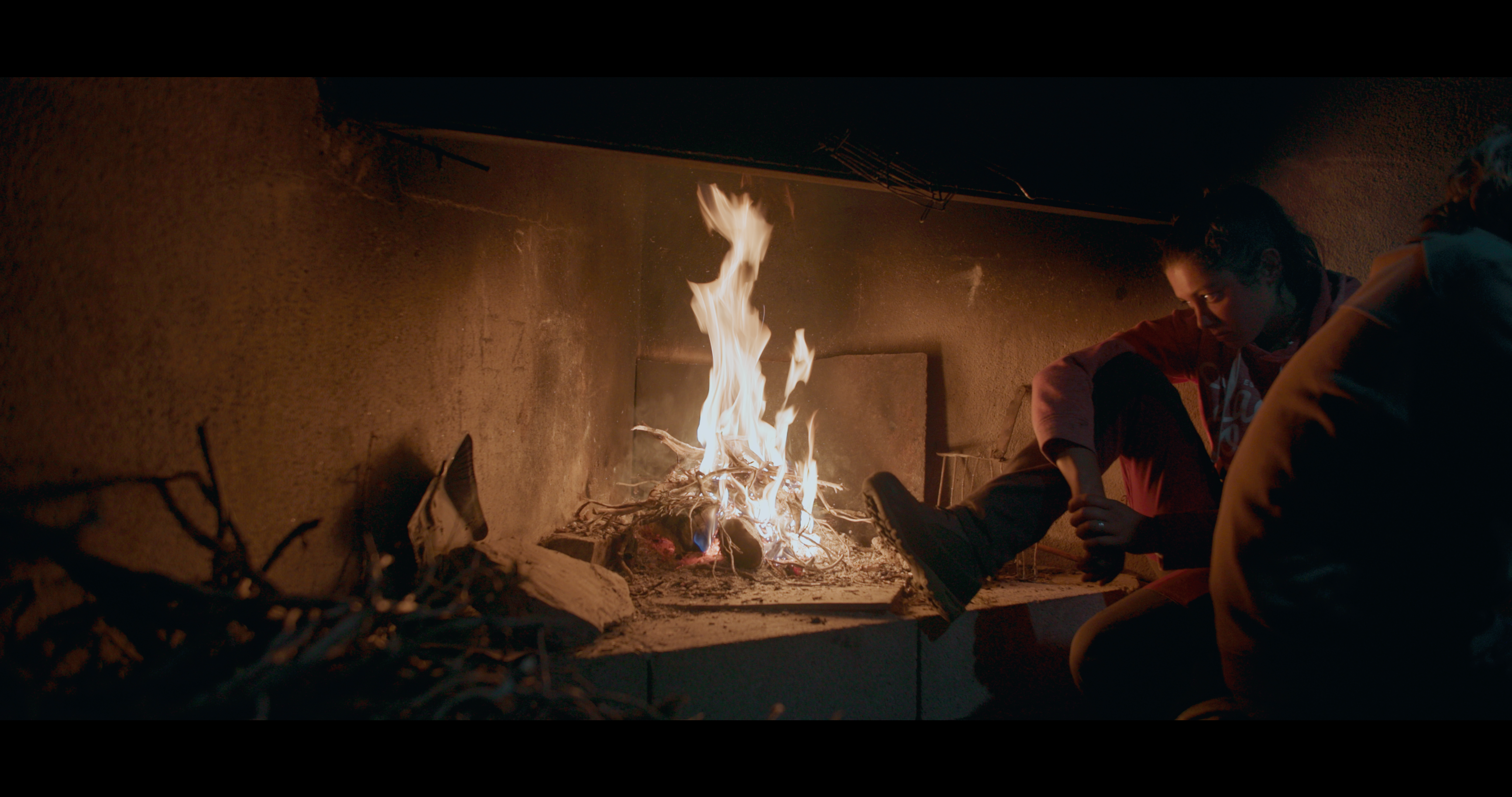
The Shepherd and the Bear
Directed by Max Keegan (UK/US/France, 2025) 101 min. DCP.
Set high in the majestic French Pyrenees, The Shepherd and the Bear explores a conflict provoked by the reintroduction of brown bears in the midst of a traditional shepherding community. The film follows an aging shepherd who struggles to find a successor as bears prey on his flock, and a teenage boy who becomes obsessed with tracking the bears. Through its breathtaking cinematography and immersive storytelling, this winner of the Living with Wildlife Award at the International Wildlife Film Festival is sensitive to tradition, community and humanity’s relationship with a vanishing natural world. The Sheperd and the Bear‘s thoughtful release strategy prioritizes theaters and non-traditional screening venues in mountain, rural and agricultural communities that intersect with the issues in the film, focusing on rural, agricultural and mountain areas with active ecological concerns, universities that are centers for ecological research, and areas of outstanding natural beauty like the country’s national parks. The film will then be released to larger cities.
“Max Keegan’s gorgeous documentary about the reintroduction of wild bears in the French Pyrenees sets out to give equal heed to those opposed and those in favor. It ends up siding, at least cinematically, with the former… Keegan’s film restores some balance to [the] debate, by seeding greater understanding of the humans within the ecosystems we seek to conserve. ” — Sight & Sound